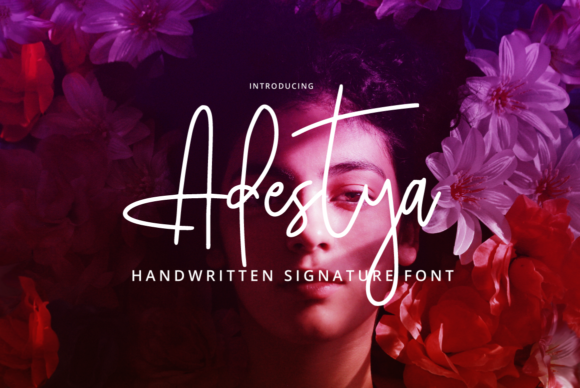
Adestya: A Handcrafted Font for Creative Expression and Professional Branding
Adestya is a distinctive font that stands out in the world of typography with its handmade signature style, decorative characters, and dynamic dancing baseline. Designed to bring elegance and personality to any text, Adestya is ideal for a wide range of creative applications—from invitations and greeting cards to branding materials and posters. Its PUA (Private Use Area) encoding ensures easy access to all glyphs and swashes, making it a versatile choice for designers who value both aesthetics and functionality.
What Makes Adestya Unique?
Adestya’s signature style is one of its most defining features. Each character is crafted with attention to detail, giving the font a hand-drawn quality that feels personal and artistic. The decorative elements add visual interest without overwhelming the reader, making it suitable for both formal and informal contexts. The dancing baseline adds a sense of movement, which can be particularly effective in designs that aim to evoke emotion or energy.
The PUA encoding is another key aspect of Adestya’s design. This feature allows users to access extended characters, ligatures, and swashes directly from their font menu, eliminating the need for complex workarounds or additional tools. For designers who frequently use special characters or stylized text, this makes Adestya a practical and efficient choice.
Applications of Adestya
Adestya’s versatility makes it well-suited for a variety of uses. In the realm of event design, it works beautifully on invitations and greeting cards, where its decorative flair can enhance the overall aesthetic. Its elegant yet playful nature also makes it a good fit for branding materials such as logos, business cards, and packaging. The font’s ability to convey both professionalism and creativity means it can appeal to a broad audience, from small businesses to larger corporations.
In addition to print media, Adestya is equally effective in digital formats. It can be used for website headers, social media graphics, and promotional posters. The font’s unique characteristics ensure that it stands out in a crowded online space while maintaining readability and visual appeal.
Comparison with Similar Fonts
When considering alternatives to Adestya, it’s important to evaluate how each font aligns with specific design goals. Fonts like Caslon or Garamond offer a classic, serif-based look that is often associated with traditional publishing. While these fonts are excellent for formal documents and long-form text, they may lack the distinctiveness and visual impact that Adestya provides.
On the other hand, more modern sans-serif fonts like Helvetica or Roboto prioritize clean lines and minimalism, making them ideal for user interfaces and technical documentation. However, they may not be as effective in conveying the artistic or emotional tone that Adestya brings to a design.
Fonts with decorative elements, such as Great Vibes or Pacifico, share some similarities with Adestya in terms of visual appeal. However, these fonts tend to be more ornate and may be less readable in longer texts. Adestya strikes a balance between decoration and legibility, making it a more flexible option for a wider range of projects.
Strengths and Tradeoffs
The primary strength of Adestya lies in its ability to combine artistry with usability. Its handmade appearance gives it a unique identity, while its PUA encoding ensures that users have full access to its extensive character set. This makes it a valuable asset for designers who want to create visually engaging content without sacrificing functionality.
However, there are some tradeoffs to consider. Adestya may not be the best choice for projects that require high levels of typographic consistency or minimalistic design. Its decorative nature could potentially clash with simpler layouts or color schemes. Additionally, while the font is highly readable in short bursts of text, it may not be as effective for large blocks of body copy where clarity is paramount.
Best-Fit Situations
Adestya shines in situations where visual impact and personality are key. It is particularly well-suited for:
- Event Invitations: Whether for weddings, birthdays, or corporate events, Adestya can add a touch of elegance and charm to printed or digital invites.
- Greeting Cards: Its decorative characters and dynamic baseline make it an excellent choice for creating heartfelt, eye-catching messages.
- Branding Materials: From logos to packaging, Adestya can help establish a brand identity that is both professional and memorable.
- Social Media Graphics: Its visual appeal makes it ideal for headlines, captions, and promotional images on platforms like Instagram or Pinterest.
- Posters and Signage: The font’s bold and expressive style can draw attention and convey a strong message in public spaces.
When to Consider Alternatives
While Adestya is a powerful tool for many design applications, it may not be the right choice for every project. If your goal is to create a clean, minimalist layout, you might find that a simpler font like Helvetica Neue or Open Sans better suits your needs. These fonts prioritize readability and consistency, which can be crucial in environments like websites or mobile apps.
For long-form text, such as articles, reports, or academic papers, a font with a more neutral and uniform appearance would typically be preferred. In these cases, fonts like Times New Roman or Georgia offer greater legibility and a more traditional feel.
If you're working within a strict brand guideline that specifies particular typefaces, you may need to choose a font that aligns with those standards rather than using Adestya. In such scenarios, it's important to weigh the benefits of Adestya against the requirements of the project and the expectations of the target audience.
Design Considerations
When incorporating Adestya into a design, it’s important to consider how it interacts with other elements. The font’s decorative style should complement the overall theme and color palette rather than compete with them. Pairing Adestya with a simpler sans-serif font for body text can create a balanced and harmonious layout.
Additionally, spacing and alignment play a crucial role in ensuring that Adestya looks its best. Because of its dynamic baseline, proper kerning and leading can significantly affect the readability and visual appeal of the text. Experimenting with different settings and previewing the font in various contexts can help achieve the desired effect.
Finally, it’s worth noting that Adestya is a relatively niche font compared to more widely used options. While this can be an advantage in terms of uniqueness, it may also mean that it’s not as commonly recognized or supported across all platforms. Ensuring that the font is properly embedded or converted for web use can help avoid compatibility issues.
Overall, Adestya offers a compelling blend of artistry and practicality, making it a valuable addition to any designer’s toolkit. Whether you’re looking to create something elegant, expressive, or simply different, Adestya has the potential to elevate your design work and leave a lasting impression.