Fresh: A Modern and Quirky Decorative Font for Contemporary Design
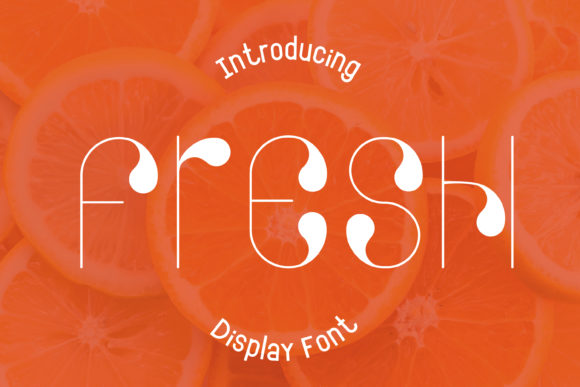
Fresh is a decorative font that stands out in the world of typography with its unique blend of modernity and classic calligraphic influences. Designed to be both stylish and versatile, it has quickly become a favorite among designers looking to add a touch of personality to their projects. Whether you're working on branding materials, digital interfaces, or print media, Fresh offers a fresh perspective that can elevate your design work.
What Makes Fresh Unique?
Fresh distinguishes itself through its clean lines and playful curves, which give it a contemporary feel while still retaining the elegance of traditional calligraphy. This balance makes it suitable for a wide range of applications where a more conventional font might fall short. Its quirky nature adds character without overwhelming the reader, making it ideal for headings, logos, and other visual elements that need to grab attention.
The font's structure is carefully crafted to ensure readability even when used at smaller sizes, which is not always the case with more ornate decorative fonts. This makes Fresh a practical choice for designers who want to maintain clarity while adding visual interest.
Comparing Fresh with Similar Fonts
When considering decorative fonts, it's important to evaluate how they perform in different contexts. Fresh shares similarities with other modern sans-serif and script fonts but offers distinct advantages that set it apart. For instance, compared to more traditional serif fonts, Fresh provides a more dynamic and youthful appearance. However, it also avoids the potential legibility issues that can come with overly stylized script fonts.
In comparison to other decorative fonts like Brush Script or Lobster, Fresh maintains a cleaner aesthetic while still offering a hand-drawn feel. This makes it a better fit for professional settings where a balance between creativity and professionalism is required. Unlike some fonts that may appear too casual or informal, Fresh manages to strike a chord between playfulness and sophistication.
Strengths and Tradeoffs
One of the main strengths of Fresh is its versatility. It works well in both digital and print formats, making it a valuable asset for any designer's toolkit. The font's ability to adapt to various weights and styles also means it can be used across different platforms and mediums without losing its visual appeal.
However, there are tradeoffs to consider. While Fresh excels in creating eye-catching visuals, it may not be the best choice for long-form text due to its decorative nature. For body copy, a more straightforward font would be more appropriate to ensure readability and maintain a professional tone.
Best-Fit Situations for Fresh
Fresh is particularly well-suited for projects that require a modern and distinctive look. This includes branding materials such as logos, business cards, and packaging designs. Its quirky yet classy appearance makes it an excellent choice for businesses that want to convey a sense of innovation and approachability.
In digital design, Fresh can be used effectively for website headers, call-to-action buttons, and social media graphics. Its contemporary feel aligns well with current design trends, helping to create a visually appealing user experience. Additionally, Fresh can be a great option for creative projects such as invitations, posters, and promotional materials where a unique typographic style is desired.
When to Consider Alternatives
While Fresh is a strong contender in the decorative font category, there are situations where another font might be more appropriate. For example, if a project requires high readability for extended reading, a more standard sans-serif or serif font would be a better choice. Similarly, for formal documents or academic papers, a more traditional font would likely be preferred over something as stylized as Fresh.
Designers should also consider the target audience when selecting a font. If the audience is more conservative or prefers a more professional look, a simpler font may be more effective. On the other hand, if the goal is to create a fun and engaging brand identity, Fresh could be the perfect match.
Realistic Examples and Practical Comparisons
Imagine designing a logo for a new startup focused on eco-friendly products. Using Fresh could help convey a sense of innovation and freshness, aligning with the brand's values. In contrast, using a more traditional font might come across as outdated or too serious for the intended message.
Another example could be a marketing campaign targeting young professionals. Here, Fresh's modern and quirky style would resonate well with the audience, helping to create a memorable and engaging visual identity. However, for a financial institution aiming to project trust and reliability, a more conventional font would be more appropriate.
By comparing these scenarios, it becomes clear that the choice of font is closely tied to the overall brand identity and the message being conveyed. Fresh offers a unique solution for those looking to stand out in a crowded market while maintaining a level of professionalism.
Decision Factors and Evaluation Criteria
When evaluating whether Fresh is the right font for a particular project, several factors should be considered. These include the purpose of the design, the target audience, the medium in which the font will be used, and the overall aesthetic goals of the project.
Designers should also think about how the font interacts with other design elements such as color schemes, imagery, and layout. A font that looks great in isolation may not work as well when combined with other visual components. Testing Fresh in different contexts can help determine its suitability for a specific application.
Additionally, considering the technical aspects of the font is important. Factors such as file size, compatibility with different software, and availability in various formats (such as web fonts or desktop versions) can impact the decision-making process. Ensuring that Fresh meets all the necessary technical requirements is essential for a successful implementation.
Ultimately, Fresh is a font that offers a fresh take on decorative typography, combining modern aesthetics with functional design. Its versatility and unique characteristics make it a compelling choice for a wide range of design applications. By carefully evaluating the needs of each project, designers can determine whether Fresh is the right fit or if another font would be more appropriate.