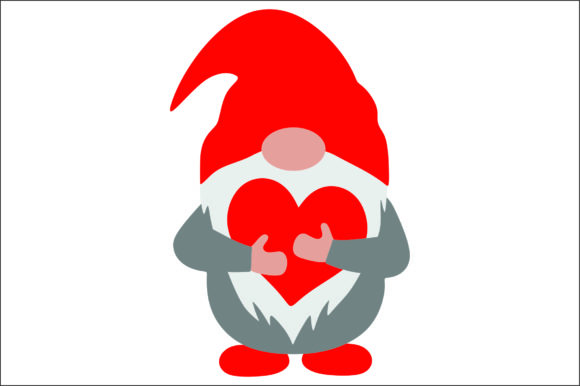
Gnome with Heart Cut Files: A Versatile Resource for Creative and Industrial Applications
The Gnome with Heart Cut Files are a set of digital design files that provide users with the flexibility to create intricate, heart-shaped gnome designs suitable for a wide range of cutting applications. These files come in multiple formats—.dxf, .svg, .png, and .eps—ensuring compatibility with various software and hardware tools used in crafting, manufacturing, and design industries. Whether you're an artist looking to personalize a gift or a professional working on a large-scale production, these cut files offer a practical solution tailored to different needs.
Understanding the File Formats and Their Uses
The Gnome with Heart Cut Files include four distinct file types, each serving specific purposes depending on the user’s workflow and equipment:
- .dxf: Ideal for use with CAD software and CNC machines, this format is widely used in engineering and industrial design due to its precision and scalability.
- .svg: A vector-based format that works well with graphic design software such as Adobe Illustrator or Inkscape, making it perfect for customizing and scaling designs without losing quality.
- .png: A raster image format that is best suited for visual previews or when using design elements in digital media or web content.
- .eps: Another vector format commonly used in print and publishing, offering high-quality output for both small and large-scale printing projects.
This variety of formats ensures that users can choose the most appropriate one based on their project requirements, whether they are working on a detailed CNC machining task or creating a simple SVG illustration for a DIY project.
Compatibility with Cutting Machines
One of the key advantages of the Gnome with Heart Cut Files is their compatibility with popular cutting machines such as Cricut plotters, as well as CNC metalworking and CNC woodworking systems. This makes them an excellent choice for both hobbyists and professionals who need accurate and repeatable cuts.
For users working with Cricut devices, the .svg and .png formats are particularly useful, as they integrate seamlessly with Cricut Design Space. On the other hand, those utilizing CNC machines may find the .dxf and .eps formats more beneficial due to their support for complex geometry and high-resolution output.
When to Choose Gnome with Heart Cut Files
The Gnome with Heart Cut Files are especially well-suited for situations where customization and versatility are important. For instance, if you're planning to create personalized gifts such as engraved wooden signs or decorative metal pieces, these files allow you to easily adjust the size and details of the gnome design to match your vision.
Additionally, the free size feature means that users can scale the design up or down as needed, which is particularly useful for projects that require precise measurements or when adapting the design for different materials.
Comparing Alternatives and Similar Options
While the Gnome with Heart Cut Files are highly versatile, it's worth considering how they compare to similar products available in the market. Many design resources offer pre-made cut files, but they often come with limitations in terms of customization, file format options, or scalability.
Some alternatives may provide only a single file format, which can be restrictive if you're working with multiple tools or platforms. Others might not offer the same level of detail or precision, especially when it comes to intricate designs like the gnome with heart motif.
Compared to generic design templates, the Gnome with Heart Cut Files stand out by offering a focused theme that combines whimsy with practicality. This makes them ideal for niche projects where a unique design element is desired without compromising on technical accuracy.
Considerations and Tradeoffs
Despite their many benefits, there are certain factors to consider before deciding whether the Gnome with Heart Cut Files are the right choice for your project:
- Customization Needs: While the free size option allows for scaling, some advanced customization features (such as adding text or additional elements) may require external editing tools or software.
- Software Compatibility: Although the files are compatible with most major design and cutting software, users should verify that their preferred platform supports the chosen file format.
- Material Constraints: The suitability of the design for a particular material (e.g., wood, metal, vinyl) depends on the thickness and texture of the material being used, which may affect the final outcome.
These considerations highlight the importance of evaluating your specific project requirements before purchasing or using the Gnome with Heart Cut Files.
Best-Fit Situations and Use Cases
The Gnome with Heart Cut Files are particularly well-suited for several scenarios, including:
- Personalized Crafts: Creating custom gifts such as engraved wooden signs, keychains, or wall art featuring a heart-shaped gnome.
- Commercial Production: Manufacturing branded merchandise or promotional items that incorporate the gnome design for events, retail stores, or online shops.
- Interior Design: Using the design in home decor projects, such as creating decorative panels, window clings, or custom wall stickers.
- Educational Projects: Incorporating the design into school or workshop activities that focus on design principles, craftsmanship, or technology.
Each of these use cases highlights the adaptability of the Gnome with Heart Cut Files, making them a valuable resource for individuals and businesses alike.
Final Thoughts
In conclusion, the Gnome with Heart Cut Files represent a flexible and practical solution for anyone involved in creative or industrial cutting projects. With their diverse file formats, compatibility with major cutting machines, and the ability to adjust sizes freely, these files cater to a wide range of applications—from personal crafts to commercial production.
By carefully considering the strengths and limitations of this resource, users can make informed decisions about whether it aligns with their specific needs and goals. As always, comparing options and exploring alternatives remains an essential part of any design or manufacturing process.