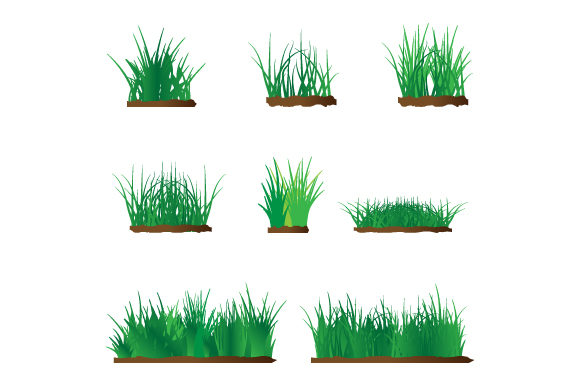
Grass Shape Illustration
Grass Shape Illustration is a versatile design element that brings natural texture and visual interest to any project. Whether you're designing a logo, creating a digital artwork, or enhancing a presentation, this illustration can add depth and realism. It's not just about the look—it's about how it functions across different formats and tools.
Understanding Grass Shape Illustration Formats
When you download Grass Shape Illustration, you receive multiple file formats to suit various needs. These include SVG 1.1, AI 10, EPS 10, and JPEG. Each format has its own strengths, making them suitable for different applications and users.
SVG 1.1 Format
The SVG 1.1 format is ideal for web designers and developers who need scalable vector graphics. This format allows illustrations to be resized without losing quality, which is essential for responsive web design. For bloggers and marketers, using SVG means faster loading times and better compatibility with modern browsers.
Ai 10 Format
If you're an illustrator or graphic designer using Adobe Illustrator, the AI 10 format is your go-to choice. It offers full editability, allowing you to tweak colors, shapes, and details with precision. This makes it perfect for professionals who require high-quality, customizable graphics for print or digital media.
EPS 10 Format
The EPS 10 format is widely used in the printing industry due to its ability to maintain resolution independence. Educators and publishers often use this format for materials that will be printed in high volume, ensuring that the grass shape illustration remains crisp and clear regardless of size.
JPEG Format
JPEG is best suited for those who need a ready-to-use image for websites, social media, or presentations. Its compressed format ensures quick loading times while maintaining good visual quality. Hobbyists and small business owners find this particularly useful when they need to integrate the illustration into their online content quickly.
Who Cares About Grass Shape Illustration?
While Grass Shape Illustration might seem like a niche topic, it holds value for a wide range of individuals and professions. The way each person interacts with it depends on their goals, tools, and needs.
Beginners and Hobbyists
For beginners, Grass Shape Illustration can serve as a learning tool. It helps understand basic design principles such as texture, layering, and composition. Hobbyists may use it to enhance personal projects, from scrapbooking to DIY home decor, without needing advanced technical skills.
Professionals and Creators
Designers and creators often use Grass Shape Illustration to add organic elements to their work. Whether it's for branding, packaging, or website design, the illustration can help create a more engaging and visually appealing product. Professionals appreciate the flexibility of having multiple file formats to choose from, ensuring compatibility with their preferred software and output requirements.
Entrepreneurs and Business Owners
Business owners looking to build a brand identity can benefit from incorporating Grass Shape Illustration into their logos or marketing materials. It adds a touch of nature and authenticity, which can resonate well with eco-conscious consumers. The availability of JPEG files makes it easy to use in social media posts, email campaigns, or print ads.
Educators and Publishers
Teachers and publishers might use Grass Shape Illustration in educational materials, textbooks, or children's books to make content more engaging. The EPS format ensures that illustrations remain sharp even when printed in large quantities, making it a reliable choice for long-term use.
Practical Applications and Use Cases
The versatility of Grass Shape Illustration means it can be applied in many practical ways. Here are some examples tailored to different audiences:
- Web Designers: Use SVG files to incorporate the illustration into websites, ensuring scalability and responsiveness.
- Print Designers: Rely on EPS files for high-quality prints, such as posters, brochures, or packaging.
- Social Media Managers: Utilize JPEG images for quick integration into Instagram, Facebook, or Pinterest posts.
- Illustrators: Edit AI files to customize the illustration according to specific project requirements.
- Bloggers: Embed SVG illustrations directly into blog posts for better SEO performance and visual appeal.
Choosing the Right Format for Your Needs
Selecting the right file format depends on your specific use case. If you're unsure where to start, consider the following factors:
- Purpose: Are you designing for the web, print, or both? This determines whether you need SVG, JPEG, or EPS.
- Editability: Do you need to make changes to the illustration after downloading? AI files offer the most flexibility for editing.
- Quality: For high-resolution outputs, EPS is the best option. For digital use, SVG and JPEG are sufficient.
- Compatibility: Ensure the file format works with your software and platforms. Not all tools support every format.
By understanding these considerations, you can make an informed decision that aligns with your project goals and workflow.