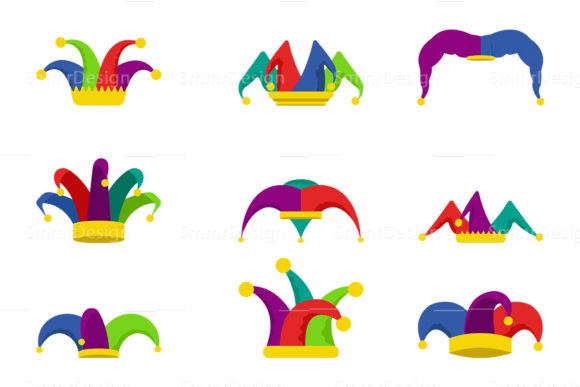
Jester Hat: A Versatile Accessory with Practical Applications
The Jester Hat in Modern Design and Craft
The Jester Hat has long been a symbol of humor, whimsy, and creativity. While traditionally associated with jesters and performers, this distinctive headpiece is finding new life in modern design, crafting, and digital workflows. Available in various file formats such as Jester Hat SVG, Jester Hat DXF, Jester Hat EPS, Jester Hat JPG, and Jester Hat PNG, the Jester Hat is no longer limited to historical reenactments or theatrical performances. It's now a go-to element for designers, crafters, and creators across multiple industries.
These digital files allow users to incorporate the Jester Hat into a wide range of projects, from graphic design and web development to 3D printing and laser cutting. Whether you're designing a logo, creating a custom illustration, or planning a costume, having access to high-quality vector and raster versions of the Jester Hat can be incredibly useful.
Understanding File Formats for Jester Hat Designs
When working with the Jester Hat, it’s important to understand the different file formats available. Each format serves a specific purpose and offers unique advantages depending on your project needs.
- Jester Hat SVG: Scalable Vector Graphics (SVG) files are ideal for web use and digital illustrations. They maintain quality at any size, making them perfect for logos, icons, and animations.
- Jester Hat DXF: Drawing Exchange Format (DXF) files are commonly used in CAD software. They’re great for precise technical drawings and 3D modeling applications.
- Jester Hat EPS: Encapsulated PostScript (EPS) files are vector-based and suitable for print and high-resolution output. They’re often used in professional publishing and signage.
- Jester Hat JPG: Joint Photographic Experts Group (JPG) files are raster images that offer good quality and compression. They’re best suited for photographs and detailed images that won’t be scaled up significantly.
- Jester Hat PNG: Portable Network Graphics (PNG) files support transparency and are excellent for web graphics, app icons, and digital media where clarity and detail matter.
Choosing the right file format depends on your intended use. For instance, if you plan to use the Jester Hat in a website header, an SVG or PNG would be appropriate. However, if you need to create a physical replica using a CNC machine, a DXF file might be more suitable.
Applications of the Jester Hat in Different Industries
The versatility of the Jester Hat makes it applicable across various industries. In the world of graphic design, it can be used as a creative element in branding, social media content, and promotional materials. Its playful nature can help convey a fun and approachable brand image.
In the crafting and DIY community, the Jester Hat is a popular choice for costume-making, embroidery, and fabric printing. With the availability of DXF and SVG files, hobbyists can easily customize and produce their own versions using tools like Cricut or Silhouette machines.
For digital artists, the Jester Hat can serve as an icon or motif in illustrations, animations, and game design. The ability to scale and manipulate SVG and PNG files allows for seamless integration into various digital platforms.
Even in industrial design, the Jester Hat has found its place. Companies producing novelty items, toys, or themed merchandise often use these digital files to create products that appeal to a wide audience, especially those looking for fun and quirky designs.
Considerations When Using Jester Hat Files
While the Jester Hat is a versatile design element, there are several factors to consider when selecting and using its digital files. One of the most important is resolution. For print purposes, ensure that the file has a high enough resolution—typically 300 DPI for photos and 72 DPI for web use.
File size is another consideration. Large files may slow down website loading times or make it difficult to share files over email. Compressing PNG and JPG files without sacrificing too much quality can help manage file sizes effectively.
License agreements should also be reviewed before using any Jester Hat files. Some free resources may have restrictions on commercial use, while others require attribution or payment for higher-quality versions.
Lastly, compatibility with your design software is essential. Not all programs support every file type, so it’s a good idea to verify which formats your preferred tools accept.
How to Incorporate Jester Hat into Your Projects
If you're looking to add some flair to your next project, the Jester Hat is an excellent choice. Here are a few ideas on how to incorporate it:
- Web Design: Use a PNG or SVG version of the Jester Hat as a background image or a decorative icon on your website.
- Craft Projects: Print the Jester Hat onto fabric or cardstock and use it as part of a costume or handmade gift.
- Print Media: Include the Jester Hat in posters, flyers, or packaging designs to add a touch of humor and personality.
- Digital Art: Integrate the Jester Hat into illustrations or animations to enhance visual storytelling.
- 3D Printing: Use a DXF file to create a 3D-printed version of the Jester Hat for home decor or collectibles.
Whether you're a designer, crafter, or hobbyist, the Jester Hat offers endless possibilities. By understanding the different file types and their uses, you can maximize the potential of this iconic accessory in your work.
Tips for Choosing the Right Jester Hat File
Selecting the correct Jester Hat file for your project can make all the difference in the final outcome. Here are some tips to help you choose wisely:
First, determine the intended use of the file. If you're creating something for the web, prioritize SVG or PNG formats. For print, EPS or JPG might be more appropriate.
Next, consider the level of detail required. Vector formats like SVG and EPS allow for crisp lines and scalability, which is ideal for logos and illustrations. Raster formats like JPG and PNG are better for complex textures and photographic elements.
Also, think about software compatibility. Make sure the file format you choose works with the design tools you're using. If you're unsure, look for tutorials or user guides that match your workflow.
Finally, check the quality of the file. High-resolution images and clean vectors will yield better results, especially for professional projects. Always download from reputable sources to avoid low-quality or corrupted files.